
The Easy Food Portion Control Guide: Simple Visual Tips for Balanced Eating
The Easy Food Portion Control Guide: Simple Ways to Eat More Balanced Meals Without Overthinking It
Portion control sounds simple until real life gets involved. Plates are bigger, packaged foods are larger, restaurant meals feel oversized, and nutrition advice often makes it seem like you need to weigh, measure, and track everything just to eat well.
That can make everyday eating feel far more stressful than it needs to be. Instead of feeling clear and confident around meals, many people end up guessing, overeating without meaning to, or swinging between trying to be “good” and feeling like they have gone too far the other way.
The frustrating part is that portion control is often misunderstood. It is not supposed to mean strict dieting, tiny meals, or cutting out foods you enjoy. It is really about learning what a balanced amount looks like for you, so meals feel satisfying, supportive, and easier to manage over time.
Once portion control feels more visual and practical, it becomes much less intimidating. That is why simple tools like the plate method and hand-based portions can be so helpful. They turn nutrition into something you can actually use in real life.
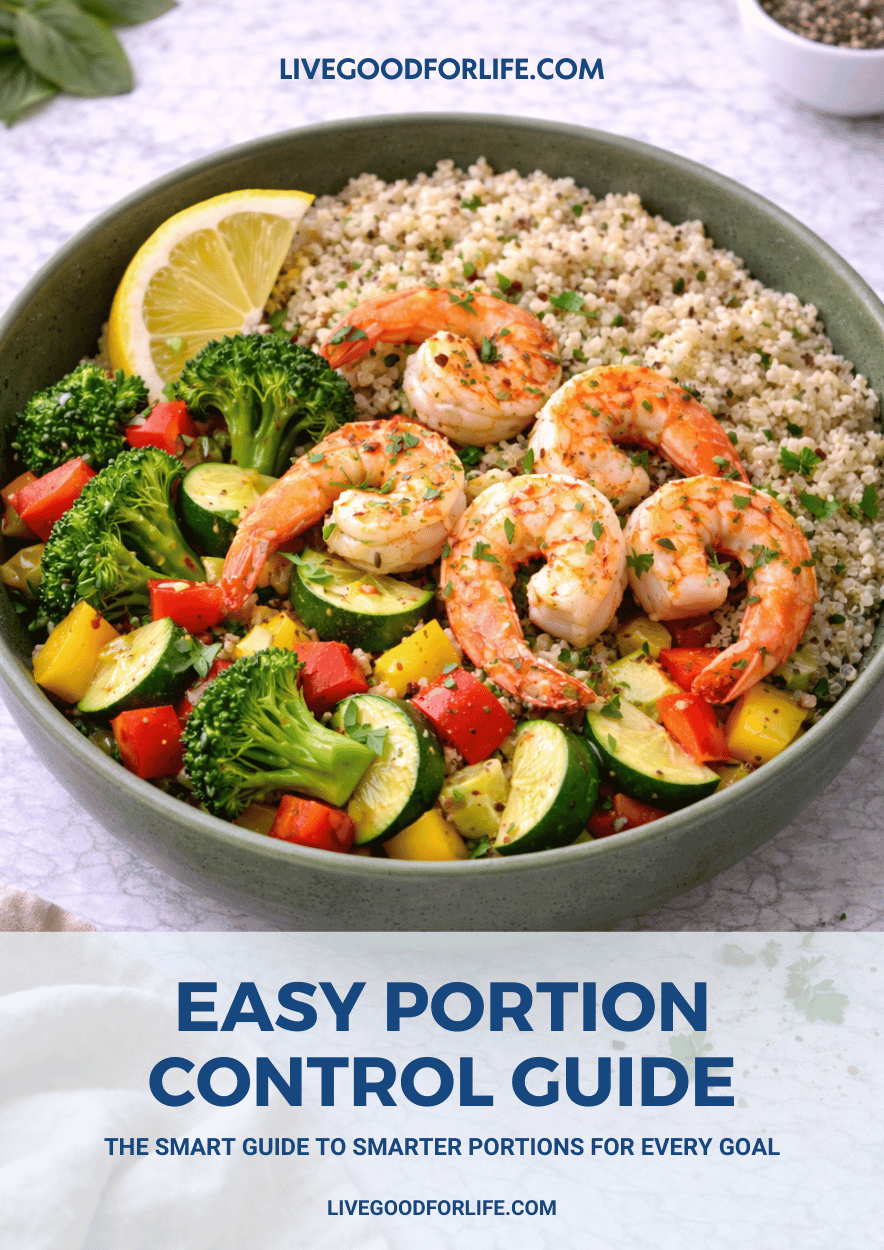
What Portion Control Really Means
Portion control is not about eating as little as possible. It is about the amount of food you eat at one time and whether that amount matches your hunger, energy needs, and meal balance. That is very different from restriction.
This matters because a lot of people assume portion control means cutting back harshly or constantly feeling unsatisfied. In reality, better portions can actually make meals feel more complete. When meals are balanced, it often becomes easier to feel full, more stable in energy, and less likely to keep grazing afterward.
Want the full guide? Enter your details below and download it so you can keep the visual portion tools and meal tips handy.
Get the Free Portion Control Guide
Fill in your details below and download the guide for simple portion visuals, balanced plate ideas, and everyday eating support.
Why Portion Sizes Feel So Hard Today
One reason portion control feels difficult is that modern food environments have shifted what “normal” looks like. Larger restaurant meals, larger packaged foods, oversized bowls, and distracted eating habits can all make it harder to notice what your body actually needs.
Over time, those bigger portions can start to feel standard even when they are more than you need to feel satisfied. This is one reason portion awareness matters. It gives you a clearer reference point in a food world that often pushes more by default.
Portion sizes often feel harder because of things like:
- larger servings becoming normalized
- highly rewarding foods being easy to overeat
- plates, bowls, and packaging influencing how much we serve
- fast or distracted eating making fullness harder to notice
None of that means you are doing anything wrong. It just means you are working against a food environment that often makes balanced portions harder to see clearly.
The Plate Method Makes Portions Easier
One of the easiest ways to make portion control feel less overwhelming is the plate method. Instead of focusing on exact grams or tracking every bite, it gives you a simple visual way to build a more balanced meal.
A balanced plate usually looks like this:
- half the plate from non-starchy vegetables
- one quarter from protein
- one quarter from carbohydrates
- a smaller amount of healthy fats as needed
This works well because it focuses on balance rather than perfection. It helps create meals with volume, protein, energy, and satisfaction all on the same plate.
| Plate Section | What it helps with |
|---|---|
| Vegetables | Adds volume, fiber, and nutrients while supporting fullness |
| Protein | Helps meals feel more satisfying and balanced |
| Carbohydrates | Provides energy and helps round out the meal |
| Healthy fats | Supports flavor, satisfaction, and nutrient absorption |
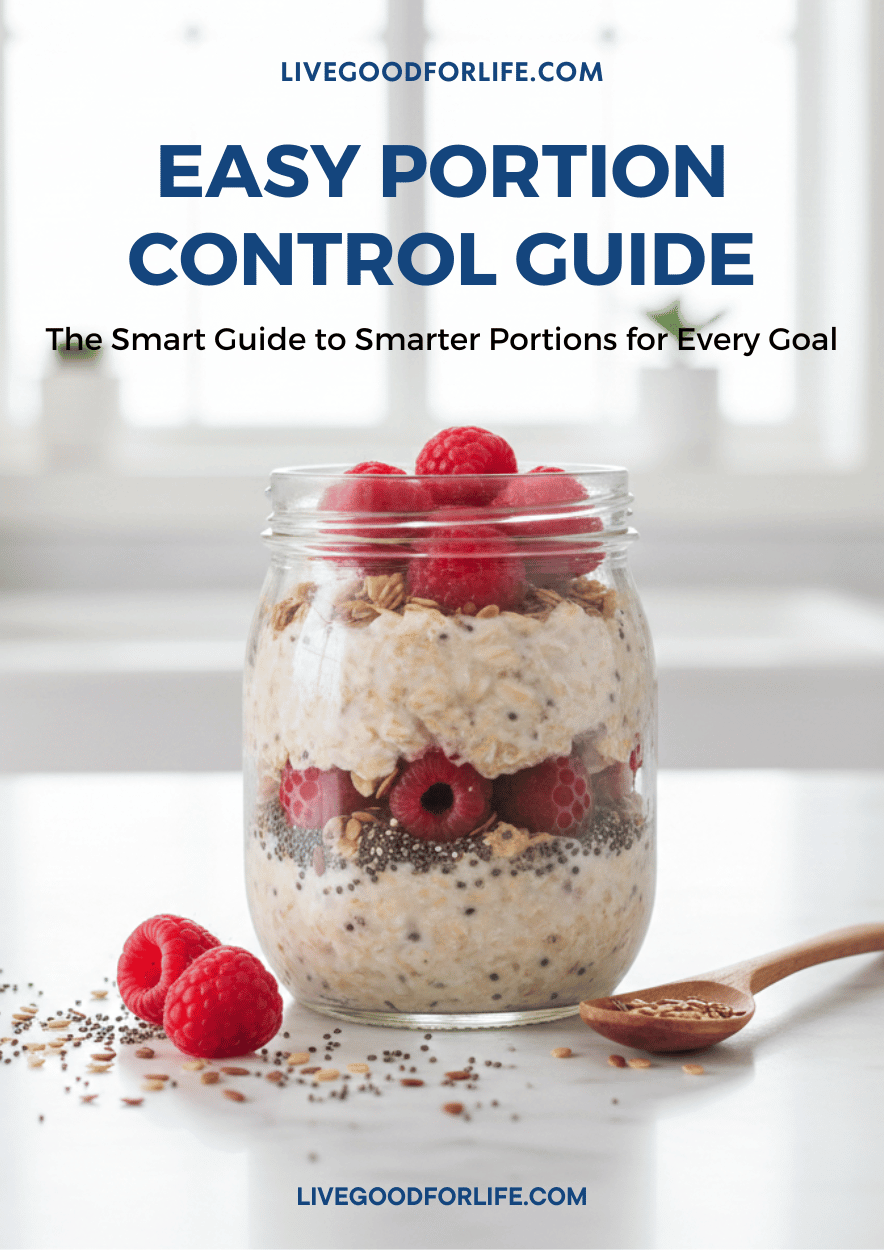
The Hand Method Is Great for Real Life
Another practical tool is the hand-based portion method. This is especially helpful when you do not want to weigh foods, use an app, or overcomplicate meals. Your hand becomes a simple built-in guide.
A simple version looks like this:
- 1 palm for protein
- 1 cupped hand for carbohydrates
- 1 handful or 1–2 fists for vegetables
- 1 thumb for healthy fats
The nice thing about this method is that it naturally scales to body size. It is not perfect science, but it is practical, fast, and much easier to use consistently than strict measuring.
That consistency is what makes it so helpful. Portion control usually works better when the method feels realistic enough to use at home, out to eat, or during a busy week.
Different People Need Different Portions
One of the most important things to understand is that portions are not one-size-fits-all. Two people can eat the same foods but need different amounts depending on body size, activity level, appetite, goals, and daily energy needs.
This is why portion control should not feel rigid. A larger portion is not automatically wrong, and a smaller one is not automatically better. What matters is whether the amount supports your needs and helps you feel satisfied without feeling weighed down.
Portion needs can vary based on:
- body size and composition
- physical activity and training
- daily movement and routine
- appetite and hunger cues
- meal timing and energy demands
That flexibility is important, because it helps portion control feel more like a practical skill and less like a rigid rulebook.
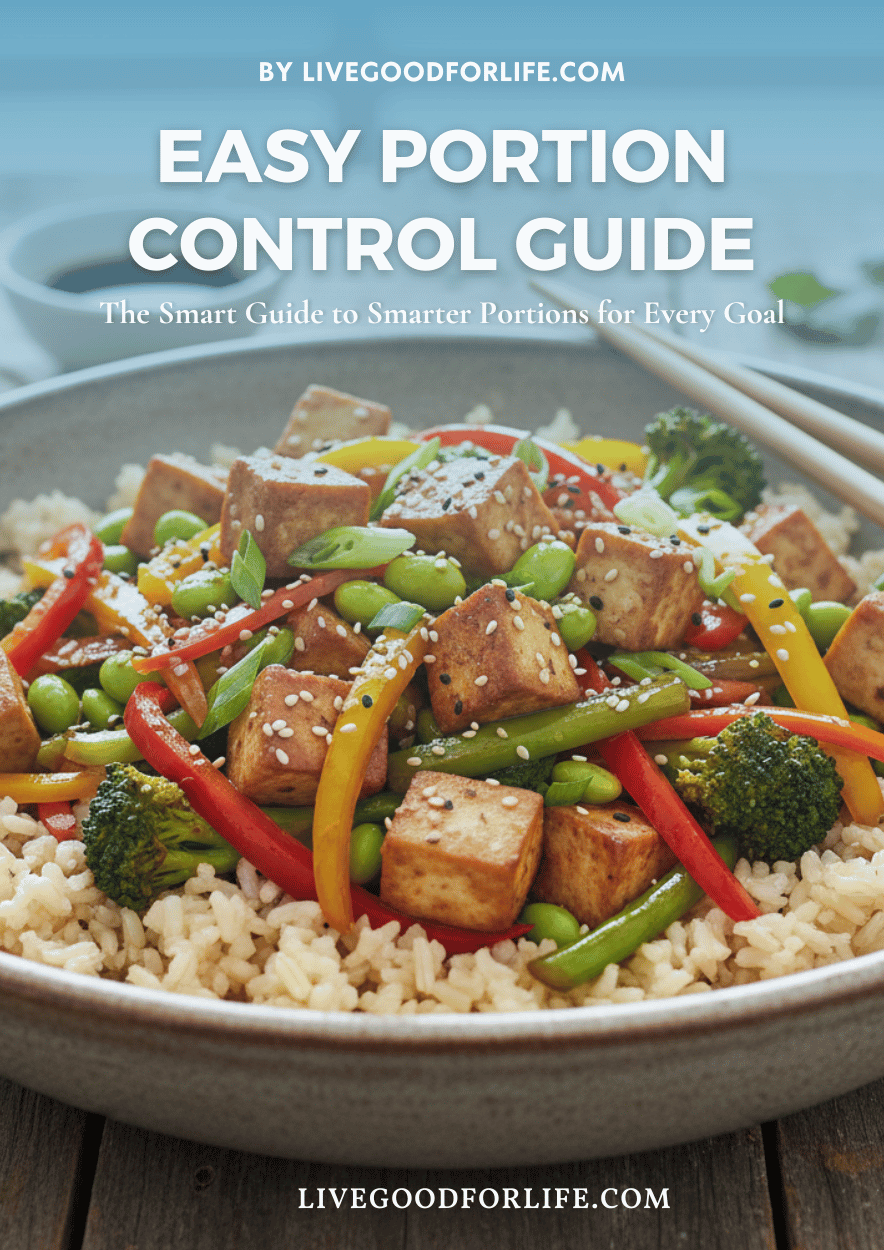
The Same Food Can Have a Very Different Impact
Portion size can change the nutritional impact of a meal even when the food itself stays the same. A smaller bowl of yogurt and granola feels very different from a much larger one. The same goes for pasta, rice, nuts, avocado, or anything else that is easy to serve more of without noticing.
That does not mean larger portions are bad. It just means they bring more total energy, and sometimes more fullness, than a smaller portion would. Learning to notice that difference helps you make more intentional choices based on the day, your hunger, and your needs.
A Simple Way to Think About Food Groups
It can help to think of meals by food group instead of calories first. This makes portion building feel much easier.
A simple everyday guide looks like this:
- Protein: around 1 palm per meal
- Carbohydrates: around 1 cupped hand per meal
- Vegetables: around 1–2 fists per meal or more if wanted
- Fats: around 1 thumb per meal
This does not need to be exact. It is simply a useful way to make meals feel more balanced and easier to repeat without having to overthink them.
Ready to make portions feel easier? Add your details below and download the full guide so you can use the visuals, examples, and cheat sheets anytime.
Download the Free Portion Control Guide
Enter your details below to download the guide and keep the hand method, plate method, and portion examples close by.
Portion Control Works Best Without Perfection
One of the most encouraging things about portion control is that it does not require perfection to help. You do not need to get every meal exactly right. You do not need to measure every spoonful. You just need a clearer reference point than you had before.
Over time, those small improvements in awareness can make a real difference. Meals feel more balanced. Hunger and fullness become easier to notice. Portions start feeling more intentional instead of automatic.
Final Thoughts
Portion control does not have to feel restrictive, complicated, or stressful. At its best, it is simply a practical way to make meals feel more balanced and supportive in everyday life.
Visual tools like the plate method and hand method can take a lot of pressure off. They help you build more awareness without turning food into something you constantly have to calculate.
That is what makes this kind of guide so useful. It brings nutrition back down to something simple, realistic, and easier to maintain.
If portion sizes have been feeling confusing, this is a strong place to start.

Ready to go deeper?
Get Your Free Health Assessment
Tell us your goal and we'll build a plan around it
Free • No credit card required • Results in 2 minutes
Ready to go deeper?
Get Your Free Health Assessment
Tell us your goal and we'll build a plan around it
Free • No credit card required • Results in 2 minutes
Use Our Savings Calculator
See how much you could save by switching to LiveGood member pricing.
Open CalculatorUnlock Your Personalized Health Assessment
Get a quick, free health report with simple insights and practical next steps for your goals.
Explore Helpful Wellness Guides
Discover practical wellness tips, supplement education, and simple step-by-step articles that make products, ingredients, and everyday health topics easier to understand.
Real Insights on LiveGood Products and Opportunity.
Disclaimer: The content on this website is for informational and educational purposes only and is not intended as medical advice, diagnosis, or treatment. Always consult a qualified healthcare professional before using supplements or making health-related decisions. Some links on this site may be affiliate links, which means I may earn a commission at no extra cost to you.
©danielpopa.com