
Mindful Nutrition Guide: Simple Everyday Habits for Calmer, More Balanced Eating
Mindful Nutrition Guide: Simple Everyday Habits for Calmer, More Balanced Eating
For a lot of people, eating is no longer something they truly experience. It happens while answering messages, driving, working, watching something, or rushing through the next part of the day. Meals become quick, distracted, and automatic, and over time that can make food feel more stressful, less satisfying, and harder to manage.
When eating feels rushed, it also becomes easier to miss the signals your body is trying to give you. Hunger can be ignored until it feels extreme. Fullness can show up too late. Food choices can start feeling reactive instead of intentional. And what should feel nourishing can start feeling messy, frustrating, or out of balance.
That is where mindful nutrition can be so helpful. It is not about eating perfectly or following strict rules. It is about bringing more awareness into your meals, your habits, and your food choices so eating feels calmer, more supportive, and more connected to what your body actually needs.
Small shifts can make a real difference. Slowing down, paying attention, planning more balanced meals, and becoming more aware of how food affects your body can help create a steadier and more positive relationship with eating over time.
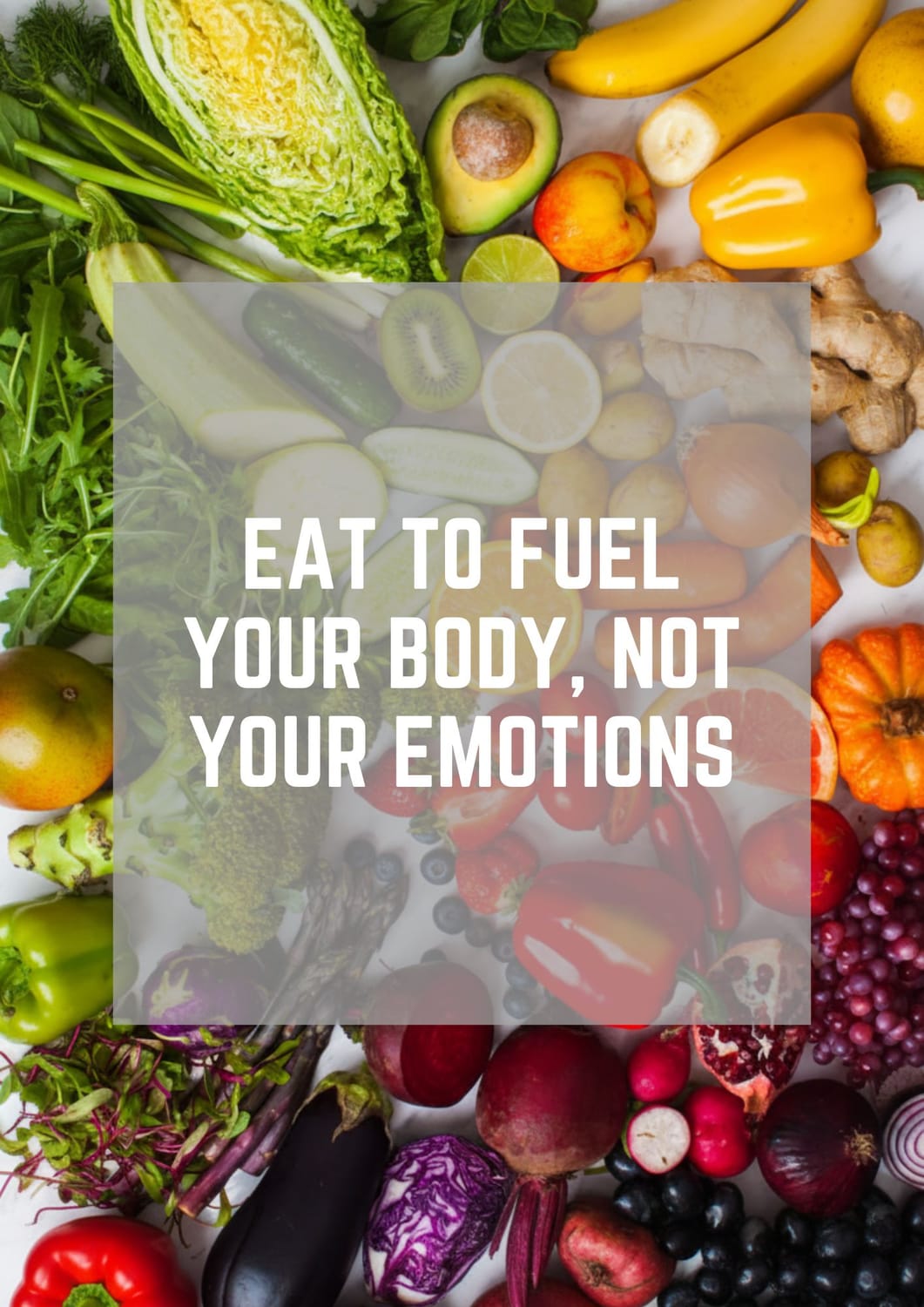
What Mindful Nutrition Really Means
Mindful nutrition is a more aware way of eating. It means noticing the present moment while you eat, paying attention to hunger and fullness, slowing down enough to enjoy flavors and textures, and choosing foods that feel supportive rather than chaotic.
At its core, it is about connection. Connection to your body. Connection to your meals. Connection to how food makes you feel physically and emotionally. That can be powerful when eating has started to feel rushed, disconnected, or driven by habit more than awareness.
Want the full guide? Enter your details below and download it so you can keep the mindful eating tools and reminders handy.
Get the Free Mindful Nutrition Guide
Fill in your details below and download the guide for simple mindful eating strategies, balanced meal ideas, and everyday habits that feel easier to maintain.
Why So Many People End Up Eating on Autopilot
Modern life encourages speed. That affects the way people eat. Meals get squeezed into short breaks, snacks happen in passing, and screens often pull attention away from the experience of eating. When that becomes normal, it is easy to stop noticing what your body is saying.
Eating on autopilot can look like grazing without thinking, eating quickly, ignoring fullness, or using food to cope with stress, boredom, or overwhelm. It is common, but it can leave you feeling less satisfied and more disconnected from your needs.
Mindful eating moves in the opposite direction. It encourages you to:
- eat with more presence and attention
- notice taste, texture, and enjoyment
- slow down enough to feel satisfaction building
- pay attention to hunger and fullness cues
- choose foods that feel more nourishing and balanced

The Mind-Body Connection Matters More Than It Seems
One reason mindful nutrition feels so useful is that it recognizes food is not only physical. Stress, mood, distraction, and emotional pressure can all shape the way we eat and the way our bodies respond.
When you are more aware during meals, it becomes easier to notice patterns. You may see how stress affects your appetite, how rushed eating affects digestion, or how certain foods leave you feeling energized versus sluggish. This kind of awareness is often what helps eating feel less random and more supportive.
| Mindful Nutrition Focus | Why it helps |
|---|---|
| Awareness during meals | Helps reduce overeating and makes food choices feel more intentional |
| Less distraction | Makes it easier to notice taste, satisfaction, and fullness |
| More relaxed eating | May support better digestive comfort and a calmer eating experience |
| Awareness of emotions | Helps you notice stress-based eating patterns with more compassion |
Simple Practical Habits That Make Mindful Eating Easier
Mindful eating does not need to feel complicated. In fact, it tends to work best when it stays simple. The easiest habits are often the most helpful because they fit real life and can be repeated more consistently.
A few practical habits that may help include:
- sit down to eat instead of nibbling while standing or multitasking
- chew more slowly and pause between bites
- savor the meal by noticing smell, flavor, and texture
- simplify your food environment so supportive choices are easier to reach
- pause and check in so you can notice satisfaction before moving into overeating
These habits are small on purpose. They do not try to control every part of eating. They simply help bring you back into the moment.
Balanced Meals Support a Calmer Relationship With Food
Mindful nutrition is not just about slowing down. It also includes choosing foods that support steady energy, better satisfaction, and a more balanced way of eating. That is where meal structure can be helpful.
Balanced meals often feel easier to manage because they combine nourishment with satisfaction. When meals include a mix of protein, fiber-rich foods, healthy fats, and whole-food carbohydrates, they may help you feel steadier and less likely to swing between being overly hungry and overly full.
Helpful foods to keep in that kind of routine often include:
- berries and other fruit
- leafy greens and colorful vegetables
- whole grains like oats, quinoa, and brown rice
- nuts and seeds
- protein sources like eggs, fish, yogurt, chicken, tofu, or beans
- supportive extras like herbal tea, olive oil, fresh herbs, and simple pantry staples

Mindful Meal Planning Helps Reduce Stress
A lot of people struggle with food not because they do not care, but because decisions pile up fast. When meals are unplanned, it becomes easier to rely on convenience foods, skip meals, or grab whatever is fastest. That can make eating feel reactive instead of calm.
Mindful meal planning can reduce that pressure. It does not need to mean a rigid schedule or perfectly prepared week. It can simply mean keeping useful foods on hand, planning a few balanced meals, and making healthy options easier to reach when life gets busy.
A more mindful meal routine often includes:
- variety so meals do not feel repetitive or restrictive
- prep work that saves time on busier days
- portion awareness without obsessing over perfection
- flexibility for changing schedules and real-life interruptions
- a kitchen setup that makes supportive choices easier to see and use
Ready to make mindful eating feel simpler? Add your details below and download the guide so you can use the checklists, meal ideas, and practical tools anytime.
Download the Free Mindful Nutrition Guide
Enter your details below to download the guide and keep the mindful eating checklist, shopping ideas, and simple daily practices close by.
Mindful Eating Works Best When It Feels Sustainable
One of the strongest ideas in mindful nutrition is that progress does not come from rigid food rules. It comes from awareness, consistency, flexibility, and kindness toward yourself. That matters because real life is not perfectly structured.
Some meals will feel more balanced than others. Some days will feel rushed. Some choices will be more intentional and others will not. That does not erase progress. It just means you are human. Sustainable habits are the ones you can return to, not the ones that only work under ideal conditions.
A more supportive mindset sounds like this: notice what happened, respond with kindness, and come back to the habits that help. That is often what makes change last longer and feel far less exhausting.
Final Thoughts
Mindful nutrition is not about turning every meal into a perfect routine. It is about creating a little more space, a little more awareness, and a little more calm around the way you eat.
When you slow down, notice your body, build more balanced meals, and let go of all-or-nothing thinking, eating can start to feel more manageable and supportive again. Small, steady shifts really can change the way food fits into your life.
That is what makes mindful nutrition so powerful. It brings you back to the basics in a way that feels practical, kind, and sustainable.
If you want a calmer, more balanced relationship with food, this guide is a strong place to start.
Ready to go deeper?
Get Your Free Health Assessment
Tell us your goal and we'll build a plan around it
Free • No credit card required • Results in 2 minutes

Use Our Savings Calculator
See how much you could save by switching to LiveGood member pricing.
Open CalculatorUnlock Your Personalized Health Assessment
Get a quick, free health report with simple insights and practical next steps for your goals.
Explore Helpful Wellness Guides
Discover practical wellness tips, supplement education, and simple step-by-step articles that make products, ingredients, and everyday health topics easier to understand.
Real Insights on LiveGood Products and Opportunity.
Disclaimer: The content on this website is for informational and educational purposes only and is not intended as medical advice, diagnosis, or treatment. Always consult a qualified healthcare professional before using supplements or making health-related decisions. Some links on this site may be affiliate links, which means I may earn a commission at no extra cost to you.
©danielpopa.com