
Essential Oils Guide: Simple Ways to Use Aromatherapy for Everyday Wellness
Essential Oils Guide: Simple Ways to Use Aromatherapy for Everyday Wellness
Essential oils have become popular for a reason. Many people are looking for more natural ways to make their home feel calmer, support relaxation, and create small wellness rituals that fit into everyday life.
But even though essential oils are everywhere now, they can still feel confusing.
One bottle says relaxing. Another says purifying. Another says energizing. Then you hear words like diffuser, carrier oil, steam inhalation, dilution, and skin sensitivity, and suddenly something that looked simple starts to feel more complicated than expected.
That is exactly why a beginner-friendly approach matters.
Essential oils can be a practical part of a wellness routine, but they work best when people understand the basics first: what they are, how they are used, how to choose them more carefully, and why safety matters just as much as enthusiasm. Your uploaded guide frames aromatherapy as a way to support balance and well-being through the use of essential oils, while also emphasizing application methods, selection, and self-care.
Why People Turn to Essential Oils
For many people, the interest starts with a simple problem.
They want:
a calmer home environment
a more relaxing evening routine
a natural-feeling self-care ritual
a fresher-smelling room without harsh sprays
a more intentional bath, massage, or wind-down habit
In that sense, essential oils are often less about perfection and more about atmosphere, routine, and small moments of care.
Your guide also highlights that aromatherapy has become increasingly popular not only for therapeutic purposes, but also for creating relaxing, energizing, and purifying atmospheres at home.
What Essential Oils Actually Are
A lot of confusion disappears once you understand the basic idea.
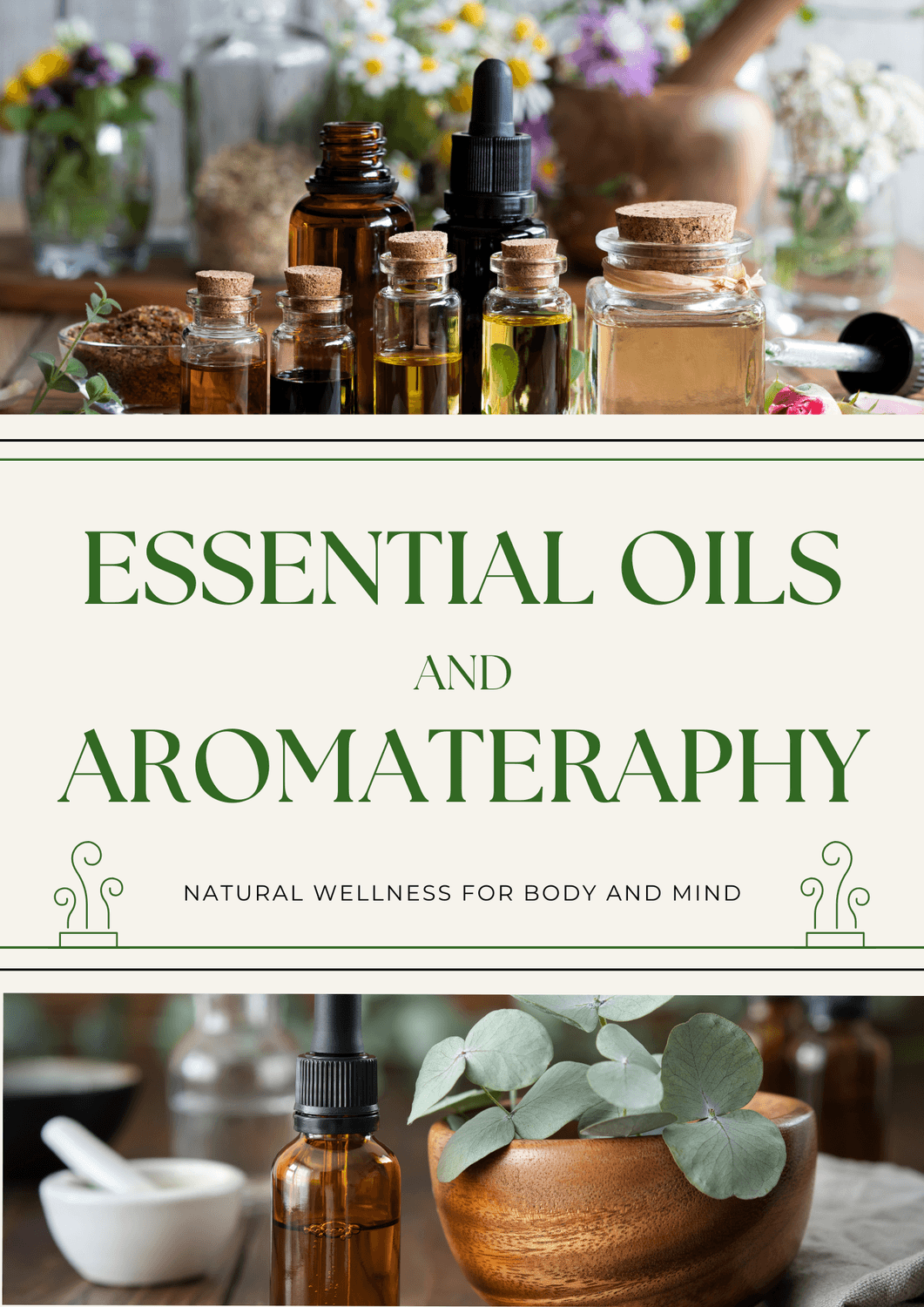
Essential oils are highly concentrated aromatic extracts taken from different parts of plants.
The guide explains that these fragrant and volatile components are stored in specific parts of aromatic plants and play roles in plant survival, such as protection and pollination support.
They can come from:
flowers
leaves
peels
seeds
bark
roots
needles or twigs
That helps explain why different oils smell so different and why their uses vary so much.
Why They Feel Powerful So Quickly
One reason essential oils stand out is that scent affects people fast.
Your guide explains that the high volatility of essential oils allows their aromatic molecules to disperse into the air and interact with the olfactory system, which is closely connected with emotional processing, memory, and mood-related pathways.
That is a big reason why people often associate aromatherapy with:
relaxation
emotional reset
memory triggers
a shift in mood or atmosphere
a stronger feeling of ritual and intention
Even before people learn every detail, they usually notice that scent directly affects how a space feels.
Common Beginner Problems With Essential Oils
A lot of people are interested in essential oils, but they run into the same problems early on.
1. Not knowing which oils to start with
When there are dozens of options, it is easy to overbuy or buy randomly.
2. Confusion about purity and quality
Not every bottle sold as an “essential oil” is equal. Your guide warns that synthetic oils may be unsuitable for food or therapeutic use and can even be toxic, which is why trusted sourcing matters.
3. Uncertainty about safe use
People often want to try oils on the skin, in baths, or through inhalation, but they are not always sure what needs dilution or caution.
4. Treating them too casually
Because the bottles are small and smell pleasant, beginners sometimes forget how concentrated they really are. Your guide repeatedly emphasizes that essential oils are highly concentrated and should be dosed carefully, often in drops.
A Better Way to Start
A practical essential oils routine usually begins with simplicity.
Instead of collecting too many oils, it often makes more sense to start with a small group of well-known options. Your guide’s “to keep at home” list includes lavender, lemon, mint, jasmine, geranium, neroli, rose, sandalwood, and ylang-ylang as useful oils to have on hand.
That kind of small starting set feels much more realistic than trying to build a full collection at once.
Buying and Storing Essential Oils More Carefully
This is one of the most important parts.
Your guide recommends buying from trusted herbal or specialist sources because provenance and extraction quality matter. It also explains that prices cannot really be standardized across all oils without risking adulteration, since plants, extraction methods, and concentrations differ.
It also gives practical storage advice:
choose glass bottles, not plastic
darker or opaque bottles are better
store oils in a cool, dark place
keep them away from heat and light because both can affect quality
That is the kind of basic care many people skip, but it makes a difference.
Safety Comes First
This is where people need the clearest guidance.
Your guide makes several points that matter for beginners:
essential oils should generally not be used pure except in limited specialist-directed cases
avoid contact with eyes, mucous membranes, and sensitive skin
always consider an allergy or patch test before use
some oils require extra caution in pregnancy, asthma, epilepsy, hypertension, kidney issues, and in children
some oils can increase sensitivity to sun exposure
internal use is not appropriate for beginners and should only happen under qualified supervision
That may sound like a lot, but the core message is simple: essential oils are not casual flavor drops or perfume toys. They are concentrated plant substances that deserve respectful use.
Simple Ways People Use Essential Oils
For beginners, the easiest and most approachable methods are usually external or atmospheric.
Your guide describes several common uses, including:
atmospheric diffusion in the home
inhalation methods
baths
aromatherapy massage
scented candles
potpourri and room fragrance uses
These kinds of methods are often what make aromatherapy feel practical rather than abstract.
Why Dilution Matters
One of the most important beginner lessons is this: essential oils are strong, and more is not better.
Your guide explains that oils are dosed in drops and gives examples of proportions for massage blends, baths, perfumes, and other uses. It also notes that essential oils are not water-soluble and need appropriate dilution or mixing with carrier substances depending on how they are used.
That is why carrier oils matter so much for skin use.
A calmer beginner mindset is:
dilute first
use fewer drops, not more
keep things simple
avoid experimenting too aggressively
Everyday Uses That Feel Most Realistic
For most people, essential oils are easiest to enjoy in normal daily settings.
That might include:
adding a few drops to a diffuser in the evening
using a diluted blend as part of a massage routine
creating a more relaxing bath
freshening drawers or rooms with potpourri or sachets
using scent as part of a wind-down ritual
These are the kinds of uses that fit most naturally into home life without becoming overwhelming.
Blending Oils Without Overcomplicating It
People often assume more oils means a better result, but your guide suggests keeping blends restrained. It notes that essential oils may be used individually or blended together and recommends mixing a maximum of three or four types of essences when preparing blends.
That is a very useful rule.
Simple blends are often easier to enjoy, easier to tolerate, and easier to learn from.
Final Thoughts
Essential oils can be a beautiful part of a wellness routine, but they work best when approached with both curiosity and care.
The real goal is not to own the most oils or create the most complicated ritual. It is to use aromatherapy in a way that feels simple, safe, and supportive in everyday life.
That may mean choosing better oils, learning proper dilution, using them more intentionally, and starting with methods that actually fit your lifestyle.
When you keep the approach grounded, essential oils become much less confusing and much more useful.
Disclaimer
This content is for informational and educational purposes only and is not medical advice. Essential oils are highly concentrated substances and should be used carefully. Always follow product directions and speak with a qualified healthcare professional before using essential oils if you are pregnant, nursing, have a medical condition, or plan to use them beyond basic household aromatherapy. Your guide also stresses patch testing, cautious dilution, and avoiding unsupervised internal use.

Use Our Savings Calculator
See how much you could save by switching to LiveGood member pricing.
Open CalculatorUnlock Your Personalized Health Assessment
Get a quick, free health report with simple insights and practical next steps for your goals.
Explore Helpful Wellness Guides
Discover practical wellness tips, supplement education, and simple step-by-step articles that make products, ingredients, and everyday health topics easier to understand.
Real Insights on LiveGood Products and Opportunity.
Disclaimer: The content on this website is for informational and educational purposes only and is not intended as medical advice, diagnosis, or treatment. Always consult a qualified healthcare professional before using supplements or making health-related decisions. Some links on this site may be affiliate links, which means I may earn a commission at no extra cost to you.
©danielpopa.com