
Clear Skin Diet Guide: Simple Food and Lifestyle Tips for Healthier-Looking Skin
Clear Skin Diet Guide: Simple Food and Lifestyle Tips for Healthier-Looking Skin
When your skin keeps flaring up, feeling irritated, looking dull, or breaking out at the worst possible time, it can be exhausting. You try products, routines, and random advice online, yet it still feels like something is missing. For many people, the missing piece is not just what goes on the skin, but what happens day to day through food, hydration, digestion, and lifestyle habits.
That is what makes a clear skin approach feel so helpful. Instead of chasing quick fixes, it gives you a more grounded way to understand what may be affecting your skin from the inside out. Small changes can feel more realistic, less overwhelming, and easier to stick with over time.
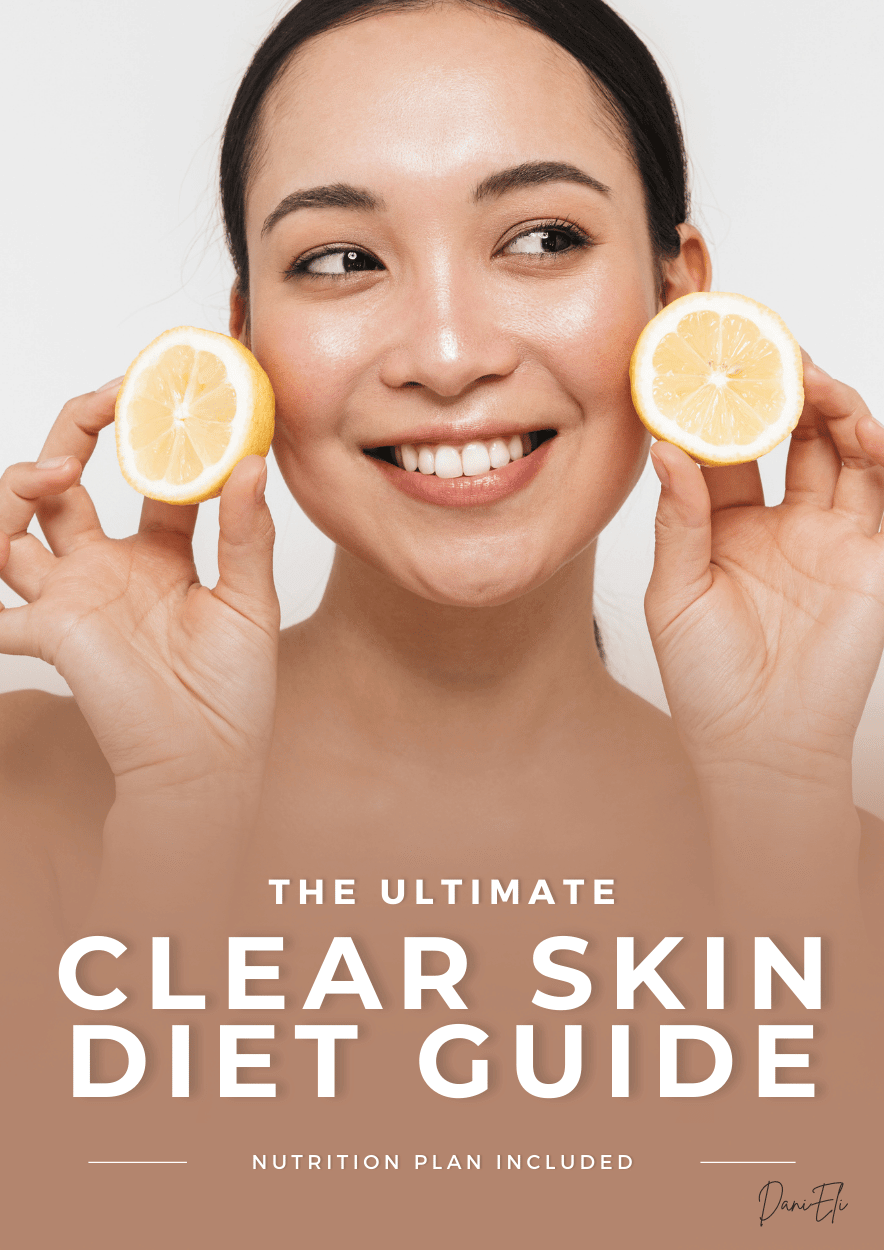
Want the full clear skin guide?
Get the full guide and keep it handy when you want simple food ideas, skin-friendly reminders, and easy next steps.
Why skin issues can feel so frustrating
Skin problems do not just sit on the surface. They can affect confidence, mood, comfort, and even how you feel when you leave the house. It is hard enough dealing with breakouts, redness, dryness, or uneven texture. It is even harder when every new suggestion sounds extreme, expensive, or impossible to maintain.
A more practical approach starts by looking at common pressure points: inflammation, low-quality processed foods, poor hydration, digestive imbalance, and daily habits like stress and lack of sleep. A clear skin guide can help simplify these areas and show how they connect to skin support in a simple, beginner-friendly way.
A simple way to think about food and skin
Your skin is constantly renewing itself. That means it depends on a steady supply of nutrients, fluids, and overall balance. Key nutrients such as vitamin A, vitamin C, vitamin E, zinc, biotin, and omega-3 fats all play a role in supporting healthy-looking skin, along with habits that help reduce daily strain on the body.
This is encouraging because it means your routine does not have to be perfect. It just needs to become a little more supportive, a little more consistent, and a little easier on your system.
| Helpful Focus | Why It Matters |
|---|---|
| Anti-inflammatory foods | May help support calmer-looking skin and reduce dietary stressors |
| Hydration | Supports skin comfort, moisture balance, and overall body function |
| Gut-friendly foods | May help support digestion and overall internal balance |
| Reducing common triggers | Can make it easier to notice what seems to help or worsen your skin |
| Sleep and stress support | Important for recovery, routine consistency, and whole-body wellness |
Foods that may help support clearer-looking skin
One of the most useful parts of a clear skin guide is that it gives you a place to start. Instead of guessing, you can focus on foods that are often linked with better overall skin support.
- Fatty fish like salmon, mackerel, or sardines for omega-3 fats
- Berries for antioxidant support
- Leafy greens like spinach and kale
- Avocados for healthy fats
- Nuts and seeds such as walnuts, chia seeds, pumpkin seeds, and sunflower seeds
- Sweet potatoes for vitamin A support
- Green tea as a simple swap for sugary drinks
- Spices like turmeric and ginger in meals where they fit naturally
These foods fit well into a skin-supportive routine because they focus on nutrient density, healthy fats, antioxidants, and simple whole-food choices.

Common food triggers that can make things feel worse
This part can be frustrating, because it often feels like all the fun or convenient foods are the ones that keep showing up on the “watch out” list. But the goal is not perfection. The goal is awareness.
Some common triggers people may want to review more closely include refined sugars, processed foods, trans fats, dairy for some individuals, alcohol, excessive caffeine, artificial additives, and high-glycemic refined carbohydrates.
That does not mean every one of these foods affects every person the same way. It simply means they may be worth paying attention to if your skin feels unpredictable and you want a more structured way to observe patterns.
Hydration matters more than people realize
When skin feels dry, irritated, tight, or tired-looking, hydration is often part of the conversation. Regular water intake, along with water-rich foods such as cucumber, watermelon, and celery, may help support overall hydration and daily skin comfort.
This is one of the easiest areas to improve because it does not require a major food overhaul. It just asks for more consistency. That can be a relief when everything else feels complicated.
The gut-skin connection can bring more clarity
A lot of people feel stuck because they only think about skin as a surface issue. But digestion and daily eating patterns can also be part of the bigger picture. When the body feels out of balance, it may sometimes show up on the skin too.
That is why probiotic and prebiotic foods can be such a useful part of the conversation. Fermented foods and fiber-rich foods can fit into a broader clear skin routine that feels more supportive and realistic over time.
| Gut-Friendly Food Type | Examples |
|---|---|
| Probiotic foods | Sauerkraut, kimchi, kefir alternatives, kombucha, miso, dairy-free yogurts |
| Prebiotic foods | Garlic, onions, leeks, asparagus, bananas, oats, flaxseeds |
| Simple support idea | Add one gut-friendly food at a time and notice how your body responds |
What about dairy or gluten?
This can be one of the most confusing parts of the skin conversation. A balanced approach makes the most sense. It is not about saying everyone must avoid dairy or gluten forever. Instead, these can be worth reviewing for some people, especially if skin problems feel persistent and nothing else seems to make sense.
A short, structured elimination period followed by gradual reintroduction may help some people better understand whether these foods seem to affect them personally. That can feel much more manageable than guessing forever.
A clearer plan feels easier to follow
One of the strongest parts of this kind of guide is that it moves beyond theory. It includes meal plan ideas and skin-supportive recipe inspiration that make the whole topic feel more practical. Simple bowls, smoothies, soups, puddings, and balanced meals using whole ingredients can make healthy changes feel much more doable.
That matters because people are not usually looking for more information alone. They want less confusion. They want to know what to eat, what to reduce, and how to make it all feel doable in real life.
- Start simple instead of changing everything at once
- Build meals around whole foods more often
- Add hydration reminders to your day
- Pay attention to possible personal triggers
- Choose consistency over perfection
Download the guide and keep it handy
If you want the full version with a clearer step-by-step feel, grab the guide below and save it for later.
Final thoughts
If you have been feeling discouraged by your skin, you are not alone. It is hard to stay positive when nothing seems straightforward. But sometimes the biggest shift comes from stepping back, simplifying things, and supporting your body in a more steady way.
A clear skin diet approach is not about magic foods or overnight perfection. It is about better understanding, more supportive choices, and practical next steps that may help you feel more in control. That is what makes this kind of guide useful. It turns a frustrating topic into something more manageable, more realistic, and a lot less overwhelming.
Disclaimer: This article is for educational and informational purposes only and is not medical advice. Food and lifestyle changes may affect people differently. If you have a medical condition, allergies, are pregnant or breastfeeding, or take medication, speak with a qualified healthcare professional before making significant changes to your routine.

Use Our Savings Calculator
See how much you could save by switching to LiveGood member pricing.
Open CalculatorUnlock Your Personalized Health Assessment
Get a quick, free health report with simple insights and practical next steps for your goals.
Explore Helpful Wellness Guides
Discover practical wellness tips, supplement education, and simple step-by-step articles that make products, ingredients, and everyday health topics easier to understand.
Real Insights on LiveGood Products and Opportunity.
Disclaimer: The content on this website is for informational and educational purposes only and is not intended as medical advice, diagnosis, or treatment. Always consult a qualified healthcare professional before using supplements or making health-related decisions. Some links on this site may be affiliate links, which means I may earn a commission at no extra cost to you.
©danielpopa.com