
Anti-Inflammatory Guide: Foods, Ingredients and Daily Habits That May Help
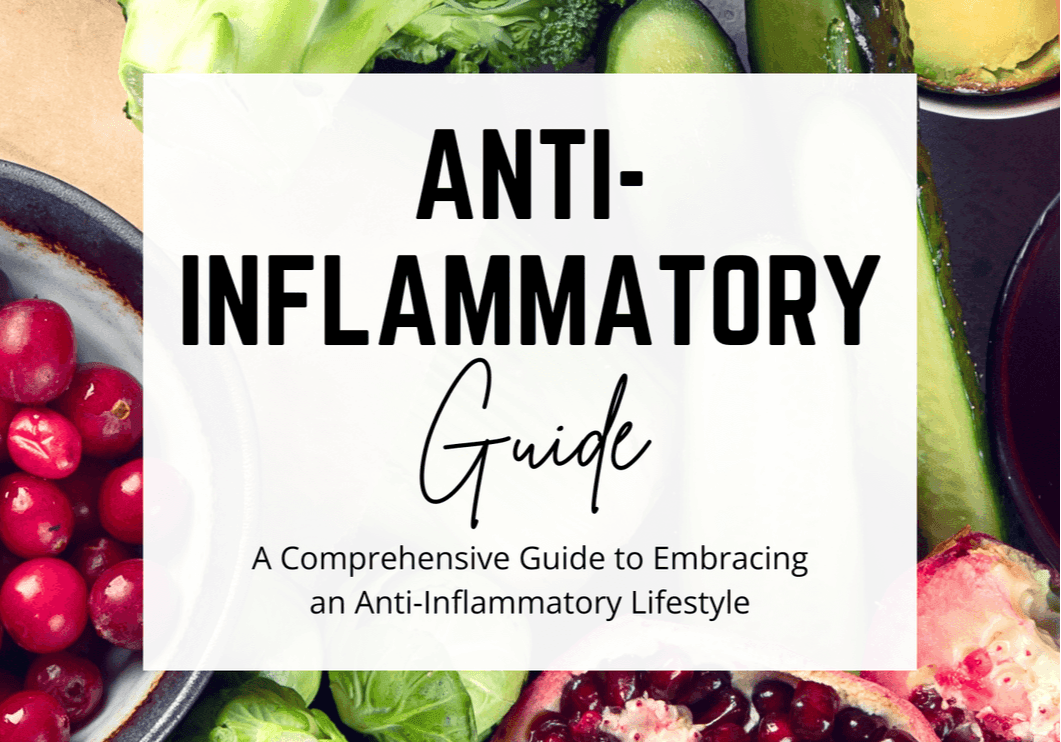
Inflammation is one of the most talked-about topics in wellness — and for good reason. Chronic low-grade inflammation has been linked to a wide range of everyday health concerns including fatigue, joint discomfort, digestive issues, and difficulty recovering from exercise or stress. The good news is that daily food choices, lifestyle habits, and certain well-researched ingredients may all play a role in supporting a more balanced inflammatory response over time.
This guide covers the practical side — what inflammation actually is, which foods and ingredients are most commonly associated with anti-inflammatory support, and what simple daily habits may help your body feel more balanced.
What is inflammation and why does it matter?
Inflammation is your body's natural defence response. In the short term it is protective — it helps your body heal from injury, fight infection, and recover from physical stress. That kind of acute inflammation is normal and necessary.
The concern is chronic low-grade inflammation — a persistent background level of inflammatory activity that the body never fully switches off. This can develop gradually over time and is often associated with poor diet, low physical activity, chronic stress, poor sleep, and excess processed food intake. Many people live with chronic inflammation without realising it because the signs can be subtle — persistent tiredness, stiffness, bloating, brain fog, or feeling slower to recover than you used to.
Foods most commonly associated with anti-inflammatory support
Diet is one of the most researched areas when it comes to inflammation. Certain whole foods are consistently highlighted in nutritional research for their potential to support a more balanced inflammatory response.
Foods that may contribute to inflammation
Just as some foods may help support inflammatory balance, others are consistently associated with promoting chronic inflammation when consumed regularly in large amounts.
Foods most commonly linked to pro-inflammatory patterns include:
This does not mean occasional consumption causes harm. The pattern over time matters far more than any single meal.
Key ingredients commonly used for inflammatory support
Beyond whole foods, certain concentrated ingredients are frequently studied and used in supplements specifically for their potential anti-inflammatory properties.
Daily habits that may support inflammatory balance
Food and supplements are only part of the picture. Lifestyle habits play a significant role in how the body manages inflammation day to day.
Research and external reading
For readers who want to explore the research behind anti-inflammatory nutrition, these resources provide a reliable starting point.
Research overview of how dietary patterns relate to inflammatory biomarkers
Practical overview of anti-inflammatory foods from Harvard Medical School
Clear explanation of inflammation and its role in the body from Mayo Clinic
Final thoughts
Managing inflammation is not about perfection or following an extreme elimination diet. It is about building a pattern of daily choices that gives your body better support over time. More whole foods, fewer ultra-processed options, consistent movement, quality sleep, and targeted supplementation where appropriate — these are the foundations that research consistently points to.
If you are dealing with a specific health condition or taking medication, always speak with a qualified healthcare professional before making significant changes to your diet or supplement routine.
To understand how anti-inflammatory ingredients like omega-3s and curcumin appear in supplement formulas, the micronutrients guide explains the foundations clearly.


Use Our Savings Calculator
See how much you could save by switching to LiveGood member pricing.
Open CalculatorUnlock Your Personalized Health Assessment
Get a quick, free health report with simple insights and practical next steps for your goals.
Explore Helpful Wellness Guides
Discover practical wellness tips, supplement education, and simple step-by-step articles that make products, ingredients, and everyday health topics easier to understand.
Real Insights on LiveGood Products and Opportunity.
Disclaimer: The content on this website is for informational and educational purposes only and is not intended as medical advice, diagnosis, or treatment. Always consult a qualified healthcare professional before using supplements or making health-related decisions. Some links on this site may be affiliate links, which means I may earn a commission at no extra cost to you.
©danielpopa.com